How to Maintain Your Hair Color Between Salon Appointments
Updated: Jul 27
Fresh salon color can make your hair look brighter, shinier, and more polished—but keeping it that way requires the right care at home. Everyday habits such as frequent washing, hot water, heat styling, sun exposure, and using the wrong products can cause color to fade or change tone faster than expected.
With a few simple adjustments, you can help preserve your shade, reduce brassiness, and keep color-treated hair feeling healthy between appointments. At StyleMod Salon in Richboro, PA, we believe professional color should be supported by a realistic home-care routine that fits your hair type, lifestyle, and maintenance goals.
Wait Before Your First Shampoo
After a professional color service, your stylist may recommend waiting before washing your hair. This gives the color time to settle and helps reduce unnecessary fading immediately after your appointment.
Your recommended wait time can vary depending on the service performed, so follow the instructions provided by your stylist. When you do shampoo, use lukewarm water rather than very hot water.
Wash Your Hair Less Frequently
Each shampoo gradually removes some color, especially from highly pigmented shades, rich brunettes, reds, vivid colors, and toners.
When possible, avoid washing your hair every day. Many clients find that washing two or three times per week helps their color last longer while still keeping the scalp and hair clean.
On non-wash days, a professional dry shampoo can help refresh the roots and absorb excess oil. Apply it lightly, allow it to sit briefly, and brush it through to avoid heavy buildup.

Use Products Designed for Color-Treated Hair
Your shampoo and conditioner can make a noticeable difference in how your color wears between appointments.
Look for professional products specifically formulated for color-treated hair. These products are generally designed to cleanse gently while helping maintain moisture, shine, and color longevity.
Clarifying, dandruff, and deep-cleansing shampoos may be useful for certain concerns, but they can also remove color more quickly. Use them only when needed or when recommended by your stylist.
Lower the Water Temperature
Very hot water can contribute to dryness and cause color to fade faster. It may also leave the hair feeling rougher and less shiny.
Wash and rinse with lukewarm water. A slightly cooler final rinse can help the hair feel smoother and support a more polished finish.
You do not need to use ice-cold water. The goal is simply to avoid consistently exposing color-treated hair to excessive heat.
Prevent Brassiness with the Right Toning Products
Blonde, highlighted, gray, silver, and lightened hair can gradually develop unwanted yellow, gold, or orange tones. Brunettes may also notice warm or reddish tones appearing over time.
Purple shampoo can help neutralize yellow tones, while blue-toned products may help reduce orange or copper tones in certain brunette shades.
Toning products should be used carefully. Using them too frequently or leaving them on too long can make the hair appear dull, overly cool, uneven, or slightly tinted. Ask your stylist which toning product is appropriate for your color and how often to use it.
Protect Your Hair from Heat
Blow-dryers, curling irons, flat irons, and hot styling tools can contribute to dryness, fading, and breakage when used frequently or at very high temperatures.
Always apply a heat protectant before styling. Use the lowest effective temperature for your hair and avoid repeatedly passing a hot tool over the same section.
Color-treated, highlighted, or lightened hair may require a lower heat setting than untreated hair. Your stylist can recommend a suitable temperature range based on your hair’s condition.
Add Moisture Back into the Hair
Color and lightening services can leave some hair types more vulnerable to dryness, tangling, and roughness. A moisture-focused routine can help maintain softness and manageability.
Use a quality conditioner after shampooing and incorporate a deep-conditioning mask when needed. Apply products primarily through the mid-lengths and ends unless the product is specifically designed for the scalp.
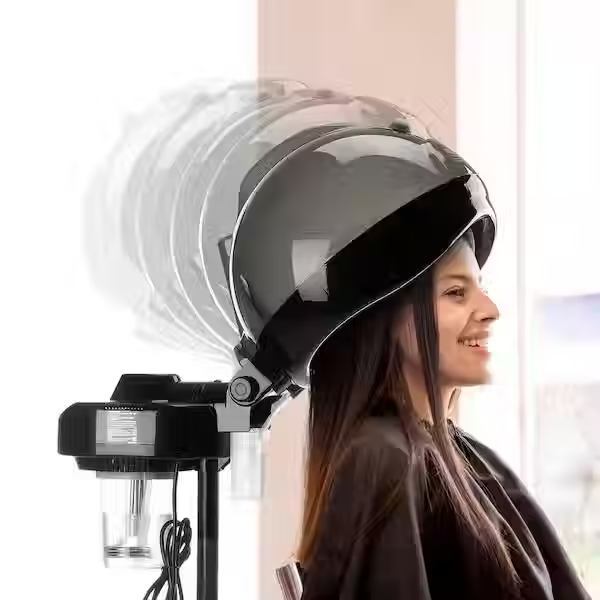
At StyleMod Salon, a professional deep-conditioning treatment with rapid hair steaming may be recommended when hair needs additional hydration. The warm, moist steam helps enhance the conditioning experience and can leave the hair feeling softer and easier to manage.
Balance Moisture and Strength
Not all color-treated hair needs the same type of treatment. Some hair needs more moisture, while highly lightened, chemically processed, or fragile hair may also benefit from strengthening or bond-supporting products.
Using too much protein or too many strengthening products can sometimes make hair feel stiff or dry. On the other hand, relying only on moisture may not provide enough support for weakened hair.
A professional assessment can help determine the right balance for your hair.
Protect Your Color from the Sun
Sun exposure can fade hair color and contribute to dryness, especially during the spring and summer.
When spending long periods outdoors, wear a hat or use a hair product that offers ultraviolet protection. This is particularly helpful for blondes, reds, brunettes with rich tonal color, and fashion shades. Sun protection also helps preserve the condition of the hair, not just the color.
Be Careful with Chlorine and Salt Water
Swimming pools, hot tubs, and ocean water can affect both the tone and condition of color-treated hair. Chlorine may cause dryness, fading, or unwanted discoloration, particularly on blonde and porous hair.
Before swimming, wet your hair with clean water and apply a leave-in conditioner. Hair that is already saturated is less likely to absorb as much pool or salt water.
Wearing a swim cap provides additional protection. After swimming, rinse your hair thoroughly as soon as possible and follow with the appropriate shampoo and conditioner.
Use a Shower Filter When Needed
Hard water can contain minerals that build up on the hair, making color appear dull, darker, warmer, or more brassy. Mineral buildup may also affect how the hair feels and how evenly future color processes.
A shower filter may help reduce certain minerals and impurities in the water. Clients who notice persistent brassiness, dullness, or unusual buildup despite proper home care may want to discuss hard-water treatments with their stylist.
Avoid Overusing Oils and Heavy Products
Hair oils can add shine and help smooth dry ends, but using too much may weigh down the hair or create buildup.
Some oils can also deepen or alter the appearance of very light blonde hair, especially when heavily pigmented. Use a small amount and choose a lightweight product designed for your hair type and color.
Apply oils mainly to the ends and avoid repeatedly layering products without cleansing the hair properly.
Schedule Toner or Glaze Refreshes
You may not need a full color service every time your tone begins to fade.
A professional toner or glaze refresh can help restore shine, improve tone, reduce brassiness, and revive faded color between larger appointments. This can be especially helpful for blondes, highlights, balayage, dimensional brunettes, and clients who prefer cooler or more refined tones.
A glaze or toner does not replace every full color appointment, but it can help extend the polished appearance of your color.
Conceal Root Regrowth Carefully
Temporary root sprays, powders, and touch-up products can help camouflage regrowth between appointments.
Choose a shade close to your salon color and apply it lightly. Heavy application can create buildup, transfer onto clothing, or make professional color application more difficult.
Tell your stylist if you regularly use root-concealing products so the hair can be cleansed and prepared properly before your next color service.
Do Not Attempt Major Corrections at Home
Box dye, bleach, color removers, and unplanned toning treatments can create uneven results and make future salon services more complicated.
Even products labeled as temporary or gentle can react unpredictably with existing professional color, highlights, minerals, or previous chemical services.
Contact your stylist before attempting to correct brassiness, darken your color, lighten your roots, or cover an unexpected result at home. A professional recommendation can help prevent unnecessary damage and expensive corrective work.
Follow a Maintenance Schedule
Your ideal appointment schedule depends on the type of color service, the contrast between your natural hair and your chosen shade, the rate of hair growth, and how polished you prefer your color to look.
Root touch-ups may require more frequent maintenance, while dimensional highlights, balayage, and lived-in color may allow more time between major services. Toners, glazes, conditioning treatments, and partial highlighting services can be used strategically between full appointments.
Before leaving the salon, ask your stylist when you should return and which service you should book next.
Personalized Color Care at StyleMod Salon
Maintaining salon color does not require an overly complicated routine. Gentle cleansing, less frequent washing, heat protection, proper hydration, and the right professional products can make a meaningful difference.
At StyleMod Salon in Richboro, Pennsylvania, color services and home-care recommendations are customized to each client’s hair condition, lifestyle, shade, and maintenance preferences. Whether you need a root touch-up, toner refresh, dimensional highlight service, deep-conditioning treatment, or rapid hair steaming, your stylist can help create a plan that keeps your color looking polished between appointments. Beautiful color begins in the salon, but thoughtful home care helps it last.